
Beer contains many ingredients other than water, such as malt barley, brewer’s yeast, hops, and assorted flavorings. While true allergies are uncommon, it is more likely that you are allergic to one of these specific ingredients. Histamine is a naturally occurring compound found in many foods, including wine.
This isn’t just your imagination—it’s actually a natural part of aging. They might seem harmless, but when combined with alcohol, they can irritate your stomach lining, setting you up for ulcers or bleeding. Dr. Tina M. St. John owns and operates a health communications and consulting firm. She is also an accomplished medical writer and editor, and was formerly a senior medical officer with the U.S. You’ll have the chance to connect with countless other Reframers via our 24/7 Forum chat and daily Zoom check-ins.
- These medications neutralize stomach acid, reducing the corrosive effect on the esophagus when reflux occurs.
- The fermentation process in beer increases histamine levels, which can cause your immune system to react.
- Certain genetic variations can affect the body’s ability to produce DAO (the enzyme that breaks down histamine), making some individuals more susceptible to histamine intolerance.
This type of rhinitis involves inflammation of the nasal passages not caused by an allergy, but by irritants. Alcohol is a trigger for non-allergic rhinitis, causing nasal tissues to swell and lead to congestion. Spicy or hot foods can also trigger gustatory rhinitis, which is characterized by a runny nose or sneezing shortly after consumption. This happens because of histamine and sulfites in alcohol, which can irritate your immune system, especially if you’re sensitive or have allergies. It can also be due to alcohol intolerance, where your body struggles to break down alcohol properly. Like many medical terms, vasomotor rhinitis sounds ominous but generally is not.
Runny or Stuffy Nose.
More than 40% of people with asthma say they marijuana addiction experience allergy symptoms after drinking alcohol and 30 to 35% say their asthma is worse after drinking alcohol. Alcohol can cause your nose to feel stuffy or blocked by expanding and swelling blood vessels in the lining of your nasal cavities. If you have swollen membranes, they may make your nose feel even more congested after drinking alcohol. To help relieve a stuffy nose, you can try using a humidifier or taking a hot shower.
Can I prevent alcohol-induced congestion?
You can also try placing a warm, damp cloth over your face to help open up your nasal passages. If your congestion is severe, you may https://www.comporta-signature.com/fr/what-is-alcohol-sensitivity-and-who-it-affects-fhe/ want to see a doctor to get a prescription for a decongestant. Very cold drinks, similar to spicy foods, can trigger a type of non-allergic rhinitis, leading to a runny or stuffy nose. The temperature change can cause blood vessels in the nose to constrict or dilate, affecting nasal airflow. Certain alcoholic beverages are more frequently linked to nasal congestion due to their composition.
Alcohol Intolerance Symptoms
In terms of treatment, medications such as antihistamines can help reduce the severity of symptoms in some cases. This happens when you are allergic to an ingredient used in the alcohol beverage, rather than being allergic to the alcohol itself. If this is the case, you’ll find that certain drinks will make your stuffy nose worse, such as wine and beer, but other drinks won’t give you a reaction. If you think you may be allergic to wine, it’s important to see a doctor so that they can confirm the diagnosis and recommend the best treatment plan. There are several ways to manage wine allergies, including avoiding wines that contain the allergens, taking medications to reduce symptoms, and receiving allergy shots.
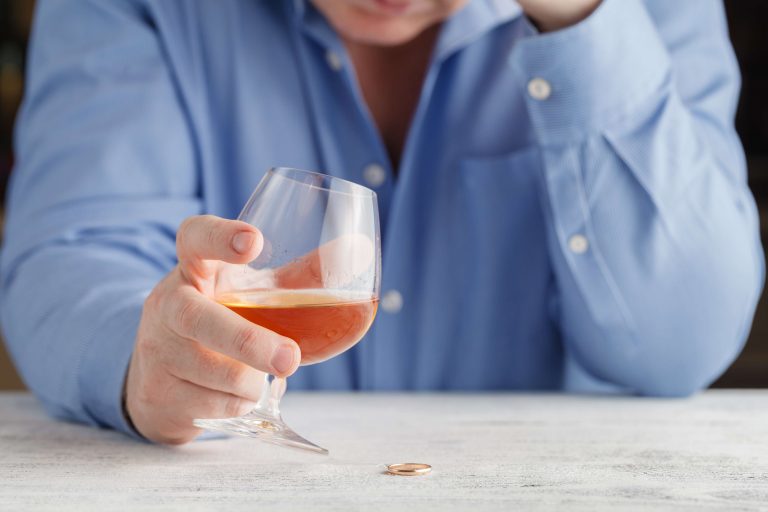
Other ways to limit your negative symptoms would be to drink alcohol slowly, thus giving your body more time to break it down internally. Those with alcohol intolerance have a hard time breaking down alcohol after drinking it and can sometimes experience nausea for days after drinking. Alcohol irritates many biological processes, but usually the body breaks down alcohol fairly quickly and it’s eventually eliminated from the body entirely. Those with alcohol intolerance can usually only break down alcohol in part, turning it into a harmful chemical called acetaldehyde.
Why does my nose get stuffy when I drink beer?
AlcoholAwareness.org is dedicated to providing support and resources for individuals struggling with alcohol addiction. We aim to raise awareness, offer guidance, and connect people with recovery programs to help them regain control and improve their lives. Seeking help for alcoholism is a brave and crucial step towards a healthier, more fulfilling life.
Although it could appear to be a mystical phenomenon, there is a scientific reason behind it. This phenomenon, often known as the “alcohol flushing reaction,” has long piqued the interest of both scientists and courageous individuals. We’ll explore the science of why drinking alcohol causes your ears to become red in this article. If your symptoms are severe, it’s incredibly important to seek medical attention and see your doctor about your sneezing when drinking alcohol symptoms when consuming alcohol. Feeling stuffy after drinking alcohol is often due to the body’s reaction to histamines in the alcohol, which can cause nasal congestion and inflammation in the sinuses.

Ways to Get Rid of Stuffy Nose on Drinking Alcohol
While all alcoholic beverages can trigger symptoms, people report that red wine causes the most symptoms. This is normal and it’s why you typically feel warm after a drink or two. Drinking alcohol can also lead to some nasal congestion, but this clears up quickly in most people.
Edema, or swelling in the feet, ankles, or hands, is a common experience after consuming alcohol. While often a temporary and benign occurrence that resolves within a day or two, persistent or frequent swelling after drinking can prompt concern. Understanding the physiological responses to alcohol and recognizing when swelling might indicate a more serious underlying health issue is valuable.
Can Drinking Alcohol Cause A Stuffy Nose?
Whatever you decide to do, make sure to drink in moderation and be mindful of the signs your body shows you. And to prevent the condition from rearing its ugly head altogether, stick with Sunset Asian Flush Pills. So while you might feel hot and sweaty the next time you have a few beers, you body temperature is actually much lower than normal. Heavy alcohol use can strain them, impairing their ability to filter blood and maintain proper fluid and electrolyte levels, which can result in fluid retention and swelling. Alcohol influences the body’s fluid balance through several mechanisms, leading to fluid retention and swelling, particularly in the lower extremities. This occurs because alcohol inhibits antidiuretic hormone (ADH), which normally signals kidneys to conserve water.

Leave a comment